

Groundwater
Profilers
GWP and HPT-GWS
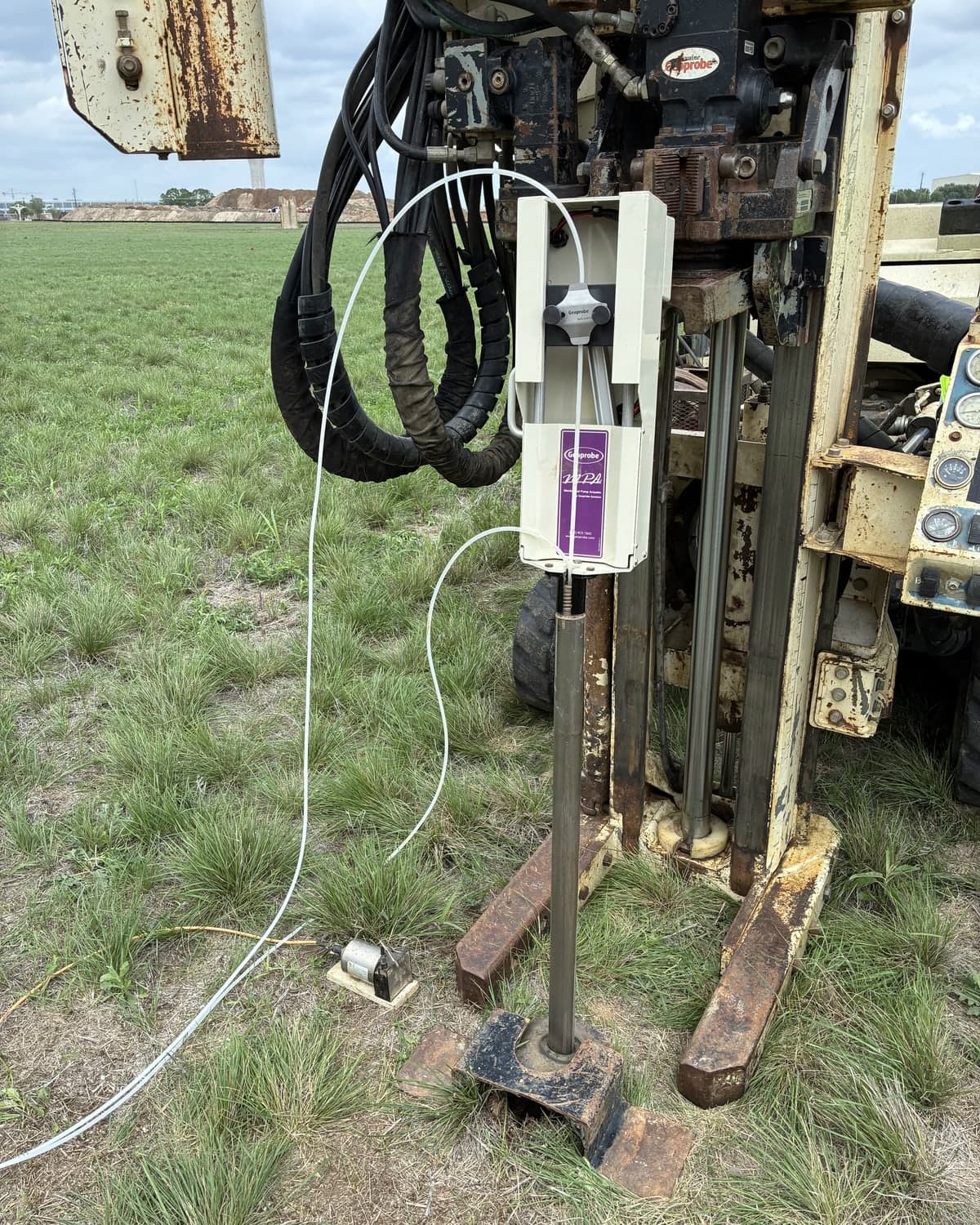
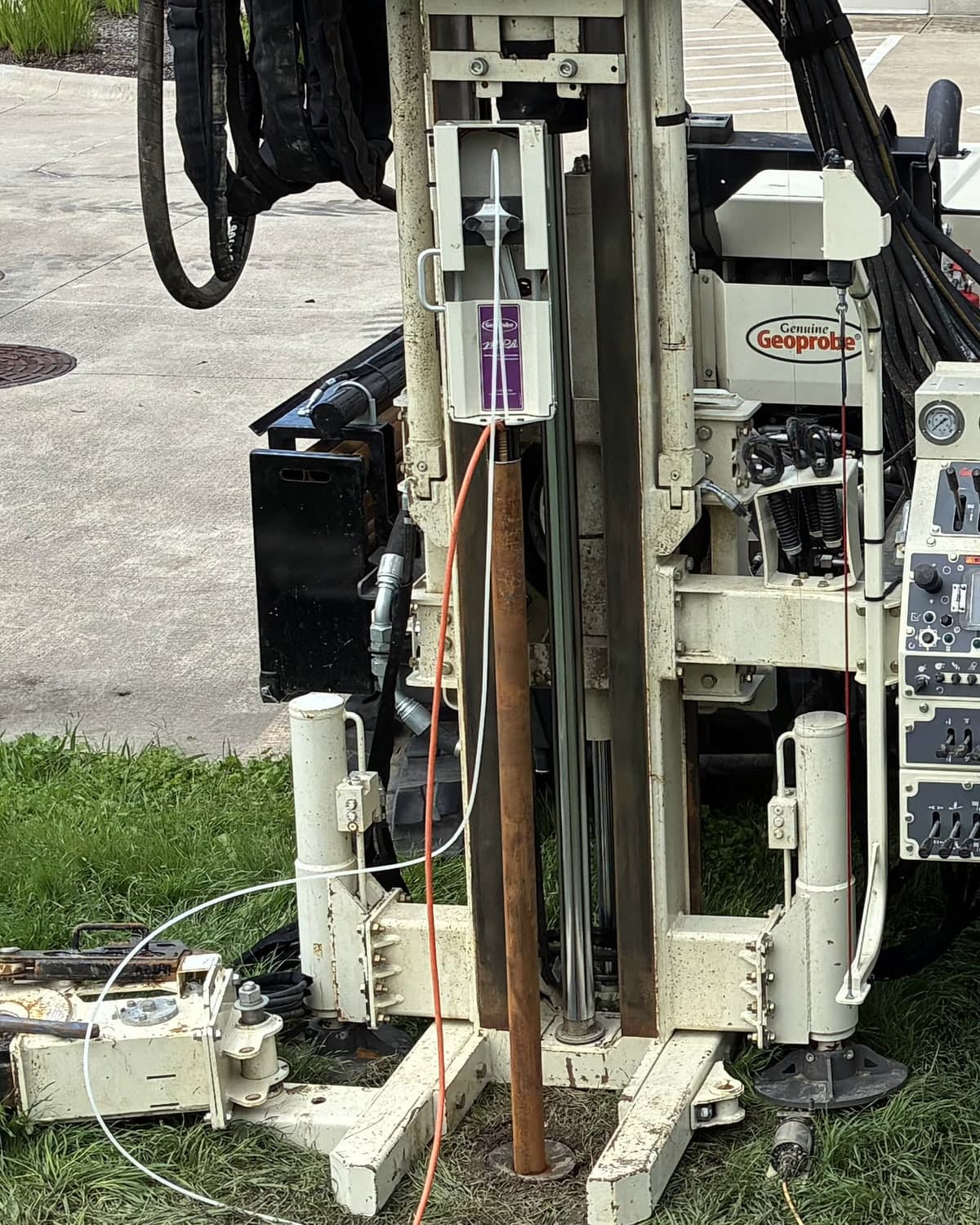
When to use groundwater profilers
- Vertical contaminant plume profiling
- Regulatory compliance sampling at specific depth intervals
- Dissolved-phase concentration verification after high-resolution site characterization (HRSC) screening
- PFAS and emerging contaminant investigations
- Risk assessment data collection
- Post-remediation confirmation sampling
- Hydrogeologic characterization with targeted chemistry
- Sites requiring both screening data and lab-confirmed concentrations
See the tool comparison if your objective is not here.
How sampling works
- Sand
High permeability - Clay
Low permeability
- Injection line
- Sample line
- Water out through
the screens - Groundwater in
through the screens - Screens
- HPT-GWS
At each sampling depth
Samples can be analyzed for any dissolved-phase analyte: VOCs, SVOCs, metals, 1,4-dioxane, PFAS, and more.
Compare the two profilers

Groundwater Profiler
- Sensors
- Discrete Interval Sampling
- HPT Pressure (uphole)
- Advantage
- Its 1.75 in. rods can often be driven deeper than the HPT-GWS.
- Disadvantage
- No electrical conductivity (EC) and no downhole pressure transducer.
When to pair it with HPT
In thick permeable soils, the GWP’s HPT pressure, measured at the surface, is enough to pick sampling intervals. Where permeable zones are narrow, find them first with HPT.

HPT Groundwater Sampler
- Sensors
- Discrete Interval Sampling
- HPT Pressure
- Electrical Conductivity
- Advantage
- Logs electrical conductivity (EC) and downhole HPT pressure in the same push that collects the samples.
- Disadvantage
- At 2.25 in., it often cannot be driven as deep as the GWP.
Contact us to add discrete sampling to your investigation program.