

OIHPT
Optical Image Profiler with
Hydraulic Profiling Tool
Tap the log chart to see what it shows.Hover over the log chart to see what it shows.
When to use OIHPT
- Light NAPL (LNAPL) delineation and extent mapping
- Petroleum release investigations (USTs, pipelines, refineries)
- Soil permeability and lithology profiling
- Identification of preferential migration pathways
- Source-zone characterization
- NAPL assessment before and after remediation
See the tool comparison if your objective is not here.
How OIHPT works
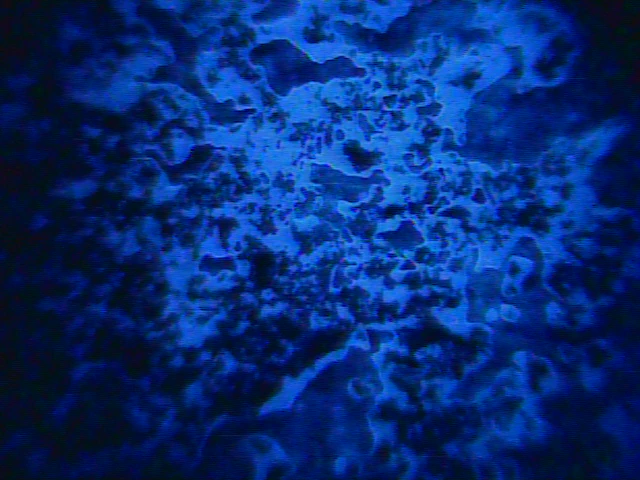
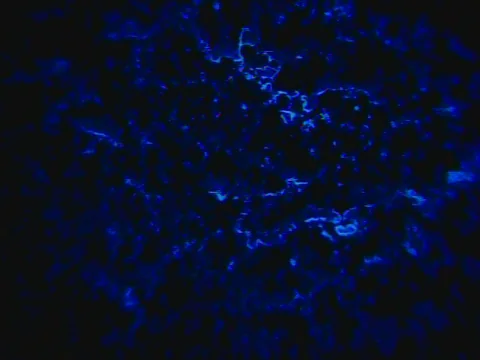
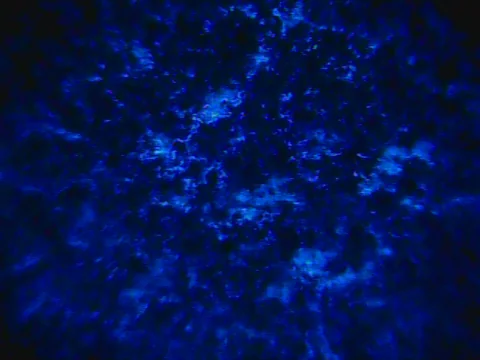
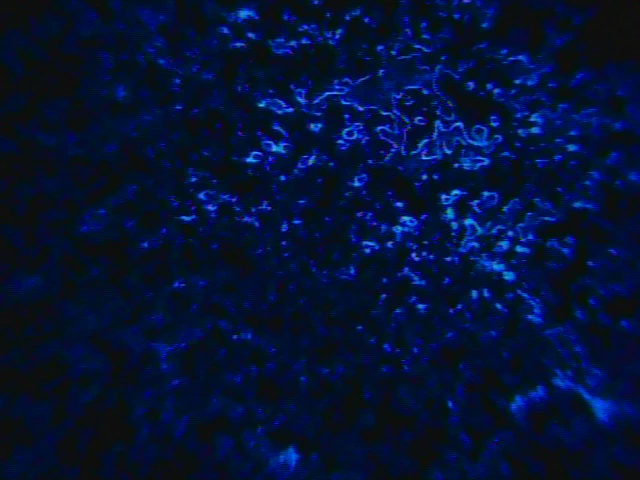
OIHPT’s sapphire window stays in contact with the formation as it advances, and a camera behind it photographs the soil under UV light. Clean soil stays dark. Free-phase product (non-aqueous phase liquid, or NAPL) fluoresces.
- Camera view



At the window
What OIHPT sees
OIHPT shines light through a sapphire window. Free-phase product in the soil fluoresces, and the log records how much of the window it lights.

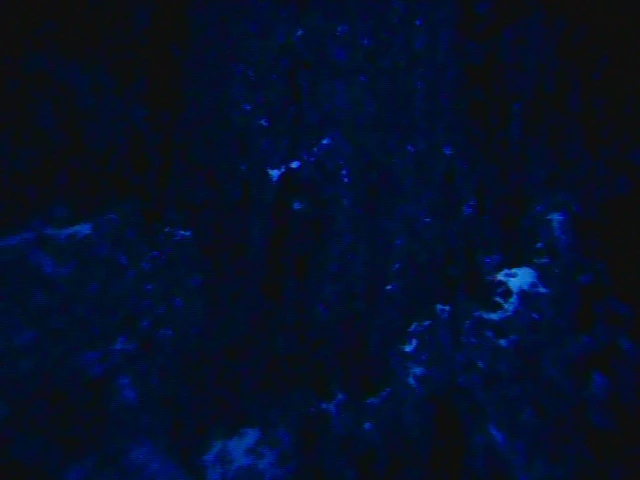
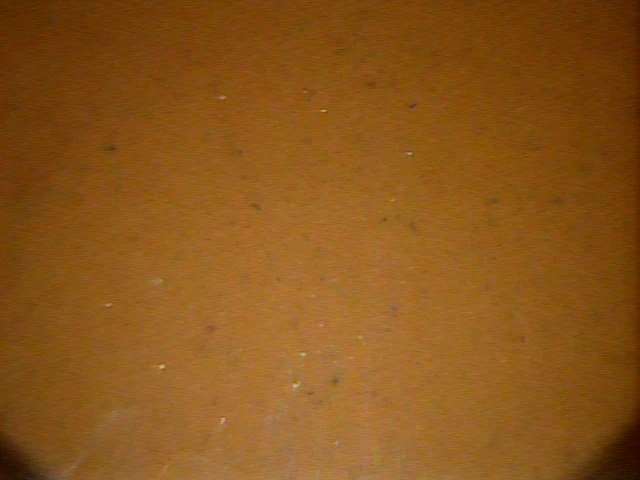
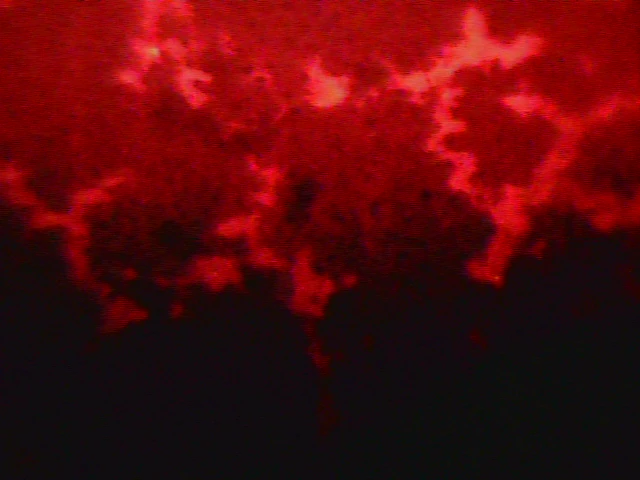

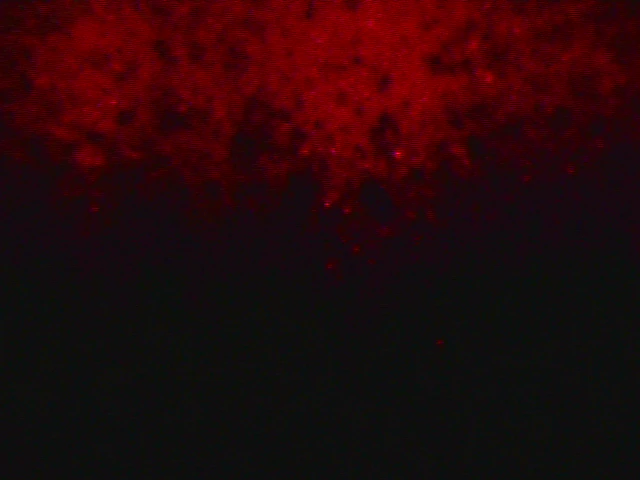
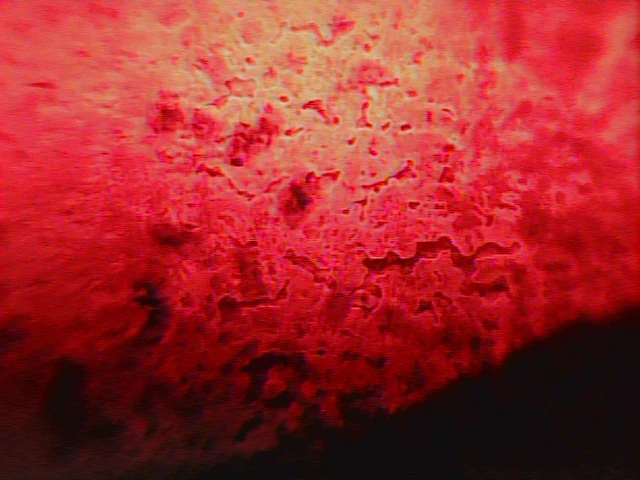
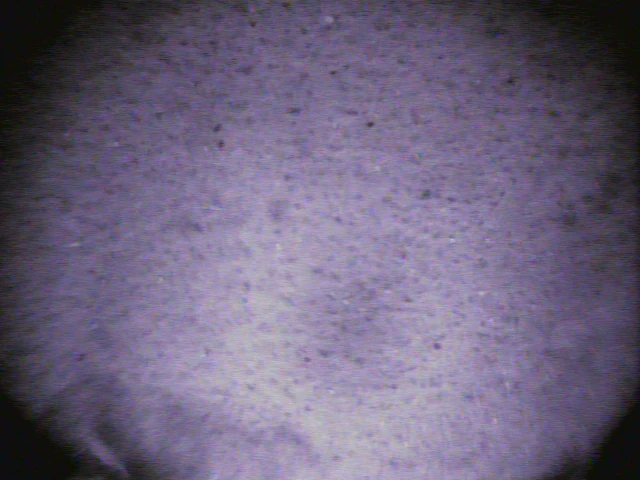
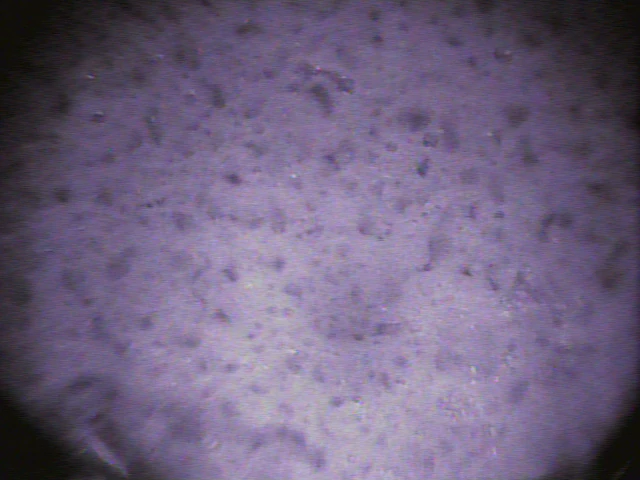
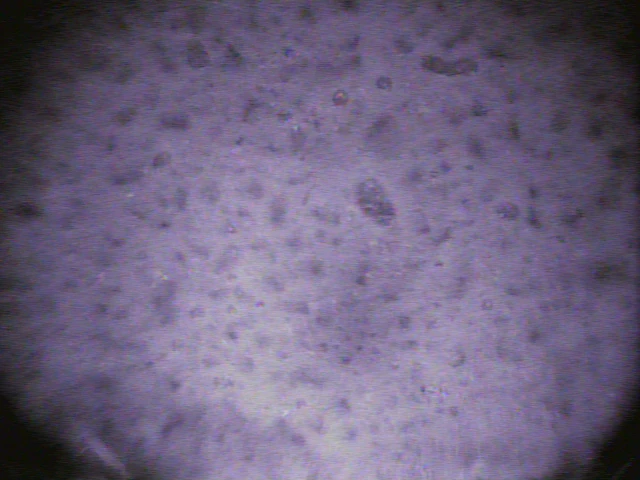
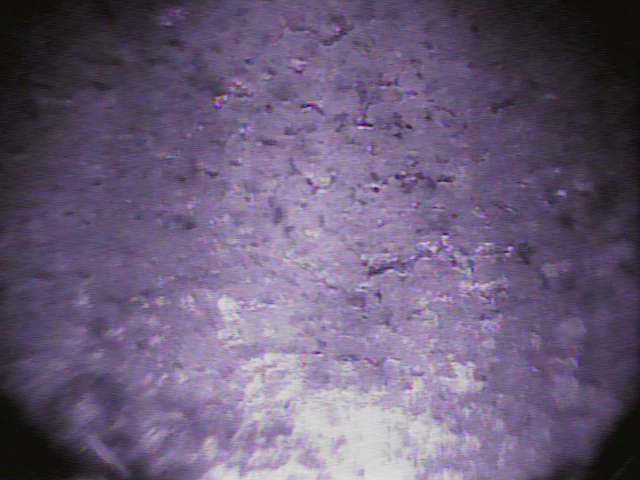
The soil at the camera window under UV light. Petroleum fluoresces; clean soil stays dark.
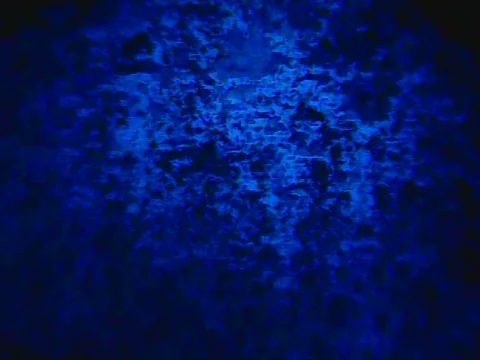
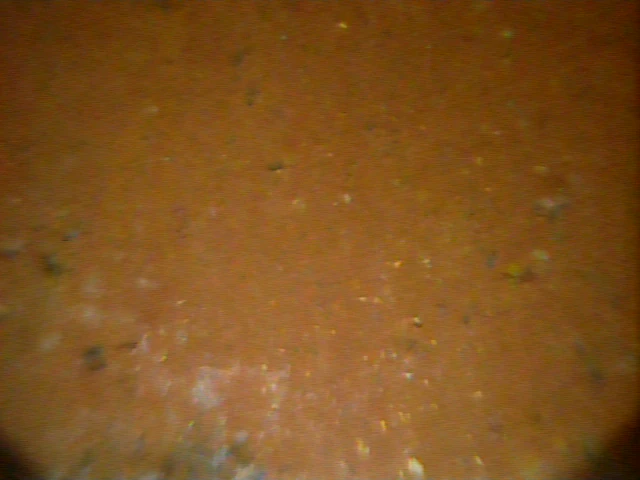
The soil at the camera window under white light, captured on demand and at rod changes.
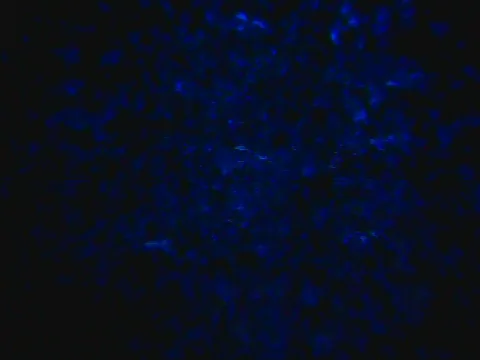
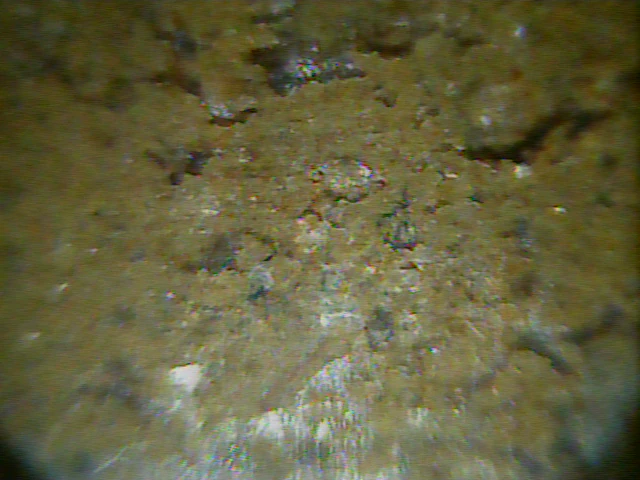
The soil at the camera window under green laser light. Heavy product fluoresces orange to red, and a filter keeps the green out.
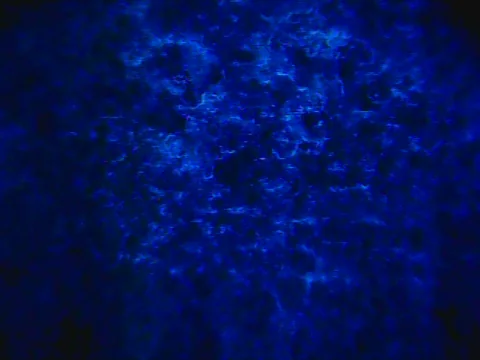
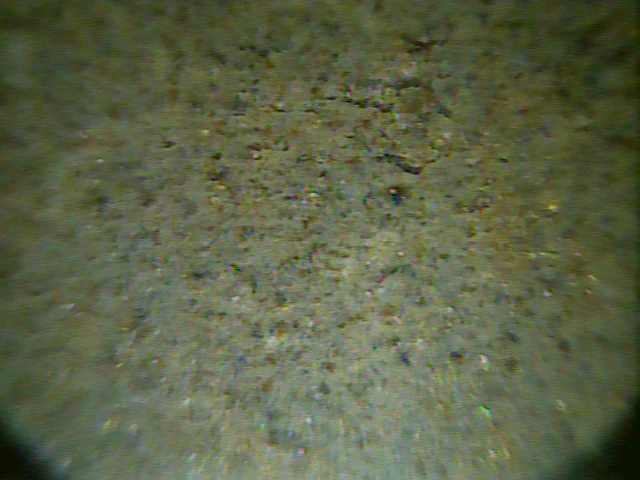
The soil at the camera window under infrared light, captured on demand and at rod changes.
Area of fluorescence
The share of the camera window where free-phase product (NAPL) fluoresces.
Three variants, one platform
Each variant targets a different kind of NAPL. All share the same HPT and EC sensors.
- Excitation
- 275 nm UV LED (~3 mW output)
- Fluorescence method
- Lamp-Induced Fluorescence (LIF)
- Target compounds
- Common petroleum NAPL: gasoline, diesel, jet fuel, motor oil, hydraulic oil, No. 2 fuel oil
- Best for
- Gas stations, fuel terminals, pipeline releases, petroleum bulk storage facilities
- Excitation
- 520 nm green laser diode
- Fluorescence method
- Laser-Induced Fluorescence (LIF)
- Target compounds
- Heavy NAPL: creosote, coal tar, heavy crude oil, bunker fuels
- Best for
- Manufactured gas plants, wood treating facilities, coal tar sites, heavy crude releases
- Excitation
- 275 nm UV LED
- Fluorescence method
- Lamp-Induced Fluorescence (LIF)
- Target compounds
- Lighter-end NAPL: BTEX, kerosene, jet fuel (fluoresces in the UV spectrum)
- Best for
- Airfields, military bases, jet fuel release sites
Contact us about availability, pricing, and which OIHPT variant fits your site.